
Bad Things Happen to Good People


Related Event

We've all heard it: "Why would a God who is all-good, all-knowing, and all-powerful allow bad things to happen to good people?" Or, flipped around: "Why shouldn’t life contain pain, disappointment, and suffering? Was life ever meant to be perfect, free from challenges or loss?"
Rabbi Harold Kushner’s seminal book, When Bad Things Happen to Good People, offers a profound perspective for exploring this question. He reminds us that pain and tragedy are not mistakes in the divine plan but inherent parts of the human story. This view, which acknowledges that life encompasses both joy and pain, enables us to confront suffering without attributing blame to God. Naturally, it is common to blame God for a sudden and untimely death, such as that of my son.
Accepting this truth does not minimize grief. Instead, it reframes our understanding of what it means to live in a complex and imperfect world, offering a path toward growth and transformation.
Faith
Kushner introduces the idea of a finite God: loving and compassionate, yet not omnipotent in the sense of controlling every event or preventing all suffering. Pain, then, does not reflect a lack of care but the inherent limitations of the world we inhabit.
This perspective helps us face suffering without assigning blame. Life can be painful and unpredictable, yet love, support, and resilience remain steadfast companions, even in the darkest moments. With love as my guide, I’ve learned that connection, authenticity, and freedom do not depend on what happens to us, but on how we respond to it. In moments of resistance, I ask myself:
How is this supporting me?
Opening to this question creates space for acceptance without forcing meaning where there may be none. Acceptance is not resignation; it is an active choice that transforms our relationship with pain. By fully feeling our emotions, sitting with grief, and allowing them to exist without judgment, we reclaim our agency. Pain can become a teacher of patience, compassion, love, and courage.
Difficulty and challenge are not inherently bad. The obstacles we face—whether running a marathon, pursuing dreams, or enduring personal loss—shape the texture of our lives. While this is easier to recognize in achievements, it is far more complex in profound grief, chronic illness, sudden death, or betrayal.
By embracing every emotion and asking, “How is this supporting me?”, we reach acceptance and neutralize judgment. Sometimes the answer is to feel helpless, to let go of control, cultivate patience, or deepen compassion. Sometimes it is to love despite pain, to continue living fully even when life feels unfair.
Faith in Jesus Christ provides hope amid life’s challenges. The Bible teaches that struggles enrich our journey, preparing us for eternity. While this life can be painful, faith helps us navigate difficulties with hope, knowing true fulfillment awaits.
Some argue that Christian belief is merely a way to escape life’s harsh realities. Yet this is no more reasonable than claiming atheism is an escape from the reality of judgment or eternity apart from God.
The more profound truth is that the question, Why do bad things happen to good people?, says more about human experience than about God. Pain, though undesirable, is a natural part of life. It is a warning, a guide, and a teacher.
C. S. Lewis, who grieved deeply after his wife’s death, captured this beautifully:
"But pain insists upon being attended to. God whispers to us in our pleasures, speaks in our conscience, but shouts in our pains: it is His megaphone to rouse a deaf world."
Like a needle that prevents disease, pain may be sharp or uncomfortable, but it serves a higher purpose. What feels unbearable now can, in God’s plan, lead to clarity, growth, and joy.
Scientific insights help clarify the complexity of life, showing that challenges are part of a larger tapestry of cause and effect. By understanding this, we can view “bad” events as opportunities for growth, approaching difficulties with resilience and optimism.
Instead of asking why bad things happen, we might ask how we can respond effectively. The focus shifts to navigating challenges, finding meaning, and embracing our ability to act in a complex world.
Reflection
Nothing can ease the pain of losing my son, Kevin, in a tragic way. But my journey through grief has shown me a deep truth: life is unpredictable and tough, yet strength and hope can still be found even in suffering. Suffering is part of life’s journey, not a punishment or test. What matters is our response: the love we share, the resilience we build, and the wisdom we gain.
It is natural to ask, “Why did this happen to me?” when facing adversity, whether a personal loss or a health crisis. These questions are common, and exploring them with curiosity can lead to valuable insights and meaningful connections.
While some people may act selfishly, most are genuinely kind. Taking the time to understand one another often uncovers a deep well of compassion that unites us. Even if the universe has no inherent purpose, we create meaning through love, connection, and empathy.
In the darkest moments, God is present—not as a guarantor of comfort, but as a companion, guide, and source of strength. Pain awakens us to the sacred, reminding us that every heartbeat, memory, and connection is precious.
My love for Kevin endures, shaping how I live, love, and see the world. Through the impact he had on my life, I find the courage to continue, to open my heart, and to help others who are struggling. Life is not perfect, but even in imperfection, we can encounter grace, connection, and the enduring beauty of love in action.
Rabbi Kushner, who also loss a child, offers a perspective that comforts me:
"Pain is the price we pay for being alive. Dead cells—our hair, our fingernails—cannot feel pain; they cannot feel anything. When we understand that, our question changes from, ‘Why do we have to feel pain?’ to ‘What do we do with our pain so that it becomes meaningful and not just pointless suffering?’"
This view encourages me to transform my struggles into opportunities for growth, learning, and insight. While we cannot control life’s difficulties, we have remarkable power over our responses to them.
Pain may not be desirable, but it is a natural and essential part of life. It awakens us, shapes our character, and opens us to love, compassion, and the presence of God. While bad things will happen to good people, we are not powerless. Through faith, reflection, and connection, we can navigate suffering with courage, hope, and grace. A comforting reminder from Jesus:
“In this world you will have trouble. But take heart! I have overcome the world.” (John 16:33).
Ultimately, the question is not why life is painful, but how we respond, how we love, and how we allow our experiences to shape us into people who carry light into the darkness.
I genuinely appreciate your comment and perspective on this complex topic, as I recognize that many people hold differing opinions on it.
About
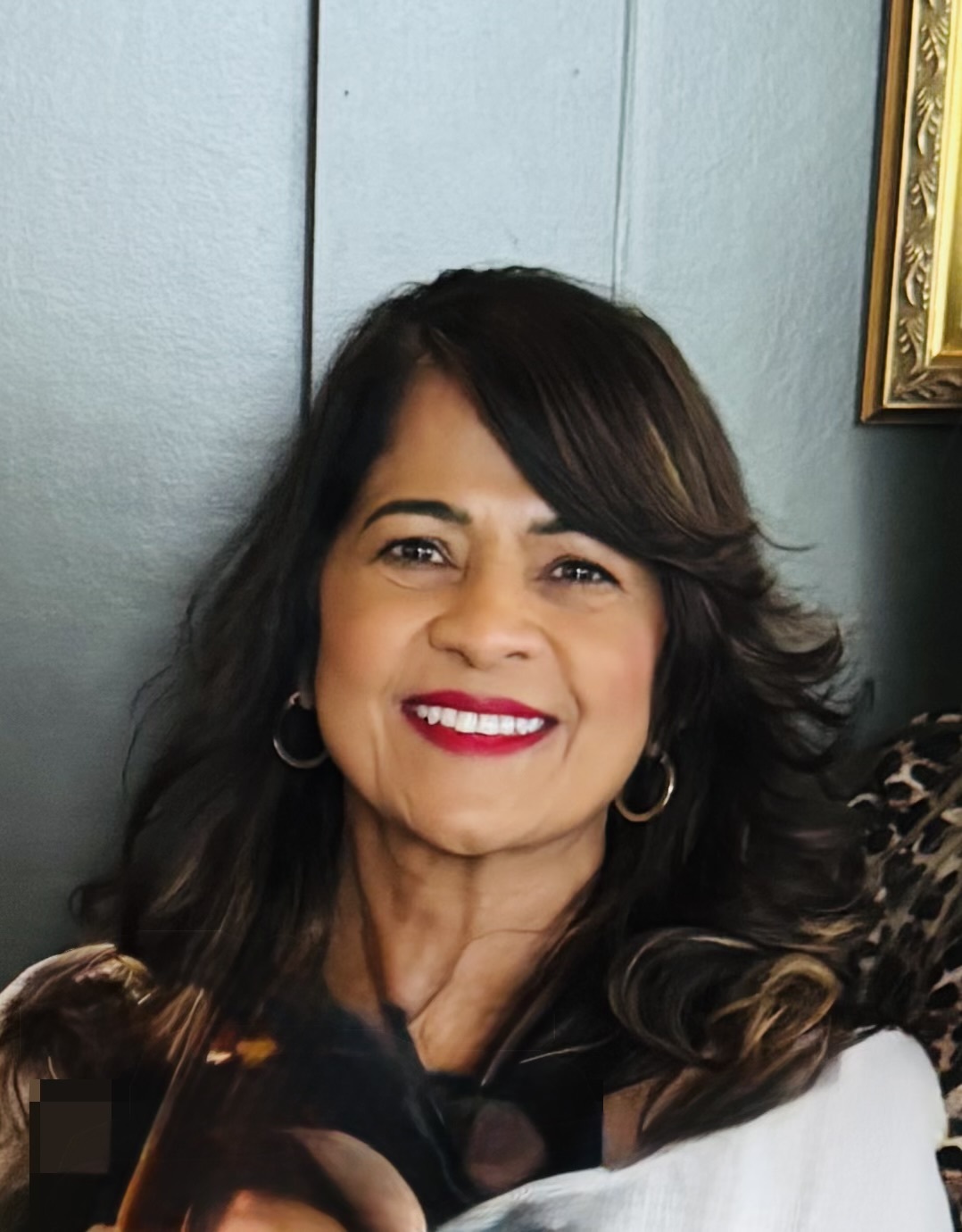
I'm a mother, writer, and woman of faith whose life was forever changed by the loss of my son, Kevin, after his long struggle with depression. Through my blog,Sitarhero.com/Love.Loss.Light, I honor his memory by speaking openly about grief, mental illness, and the healing journey that follows unimaginable loss. My faith has been my anchor, guiding me toward hope and reminding me that even in deep sorrow, light and purpose can still be found. My heart's mission is to help stop the stigma around mental illness and offer comfort to others walking this difficult path.
Related Event
